

Will the New Driving Test Booking Rules Actually Cut Waiting Times?
/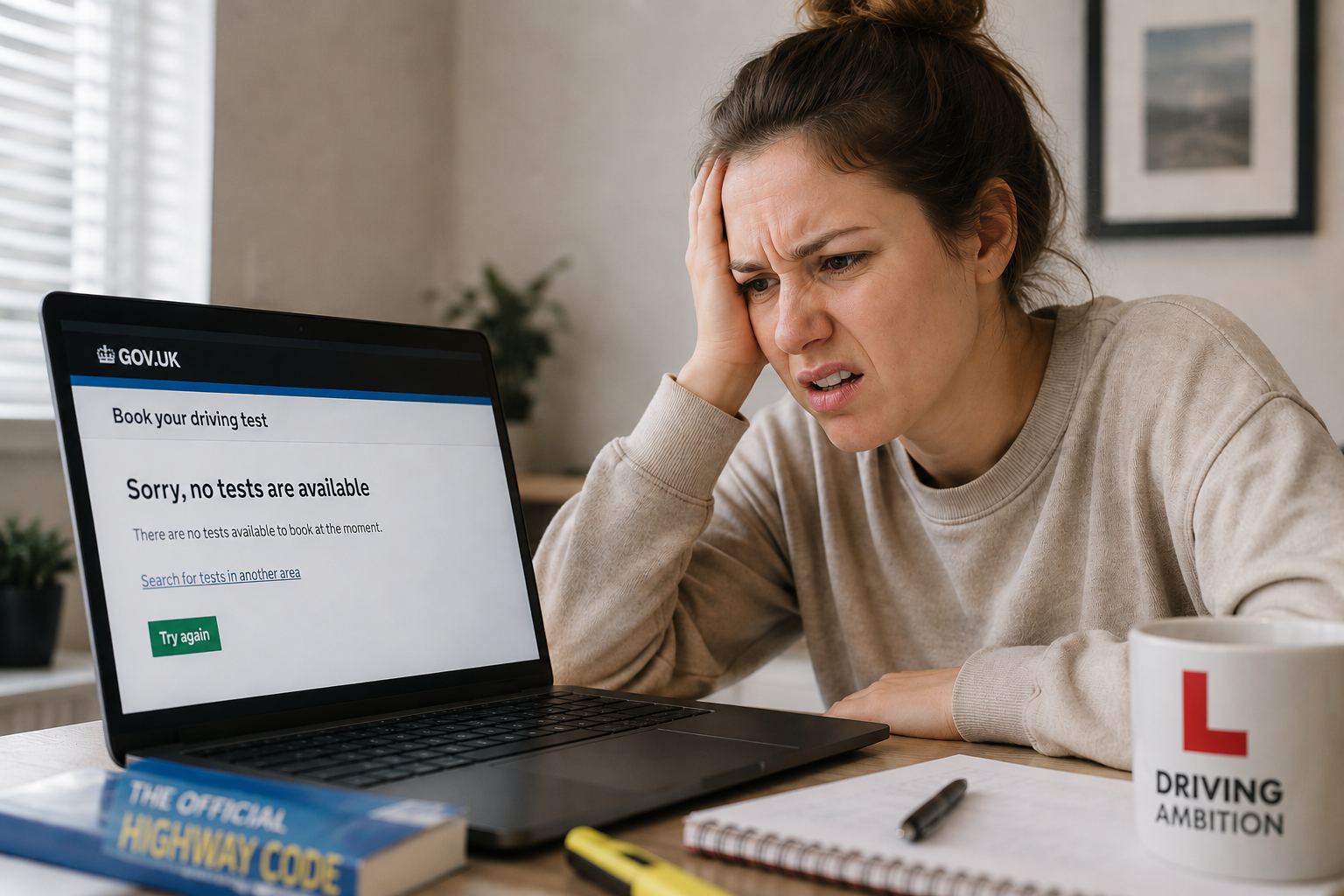
By now you've probably heard that the DVSA is making some big changes to how driving tests are booked in 2026. From learners having to book their own tests, to a strict two-change limit, to geographical restrictions on where you can move your slot — it's a significant shake-up.
But the question I keep getting asked is: will any of this actually make the wait shorter?
Honestly? Probably not by as much as people hope.
What the new rules are actually designed to do
The booking reforms are really about fairness, not capacity. For years, automated bots have been snapping up thousands of freshly released test slots every Monday morning and reselling them through WhatsApp groups and third-party websites — often at hugely inflated prices on top of the standard £62 fee. That's genuinely unfair, and it's right that the DVSA is cracking down on it.
Making it illegal for anyone other than the learner to book a test, limiting changes to just two, and restricting which centres you can move to — all of that should make the queue more orderly and stop slots being hoarded by speculators.
But here's the issue: a fairer queue is not the same as a shorter one.
The real problem is supply
The backlog isn't just caused by bots. It's caused by a shortage of test slots. The DVSA has been trying to recruit more examiners, but despite bringing in 316 new ones, the net gain was just 40 — because others left at the same time. The government's own target of cutting waiting times to seven weeks by summer 2026 has already been abandoned, and the National Audit Office estimates the backlog won't fully clear until November 2027 at the earliest.
Meanwhile, demand is still going up. Theory test passes rose 43% between 2019–20 and 2024–25, and October 2025 alone saw 182,000 practical tests — 9% more than the previous year. More people than ever want a test, and there simply aren't enough slots to go around.
So what does this mean for my learners?
The honest answer is that waiting times are unlikely to drop dramatically in the short term. What will change is who gets the available slots. Genuine learners who are properly prepared should find it easier to access the system without competing against bots and resellers. That's a real improvement, even if it doesn't feel like much when you're staring down a 20-week wait.
My advice to anyone booking a test right now:
Don't take a test until you're genuinely ready. With only two changes allowed, you can't afford to book speculatively and hope for the best.
Use my reference number when you book — it means the system will automatically check I'm available, and we won't end up double-booked.
Cancel in good time if you need to. If you are not ready you need to cancel at least 10 clear working days before your test to get a refund.
The bottom line
The DVSA has taken too long tackling the bot problem — it was a real source of frustration for a lot of learners. But these reforms are a sticking plaster on a much deeper wound. Until there are significantly more examiners and more test slots, the queue will remain stubbornly long.
For the past 20 years, I have offered a service to my customers of booking tests for them without any extra charge. We are not allowed to book for you anymore sp please make sure your instructor is available and they agree that you are at a safe independent standard. If you are not ready your intructor will refuse use of their car.
If you've got questions about where you stand , just give me a shout — I'm always happy to chat it through
Mark Prewett
Driving Ambition Brackley
